University of California, Merced Equitable Decarbonization Master Plan
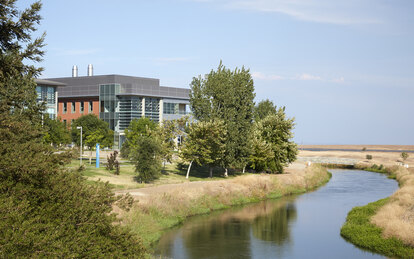
By layering performance data with planning components, UC Merced’s utility and decarbonization plans illustrate a clear path forward for growing its campus while prioritizing social justice and climate action.
Client
University of California, Merced
Location
Merced, California
Markets/Services
Campus Planning, Campus Master Plans, Energy & Environmental Modeling, Higher Education, MEP Engineering
Size
1,000 acres
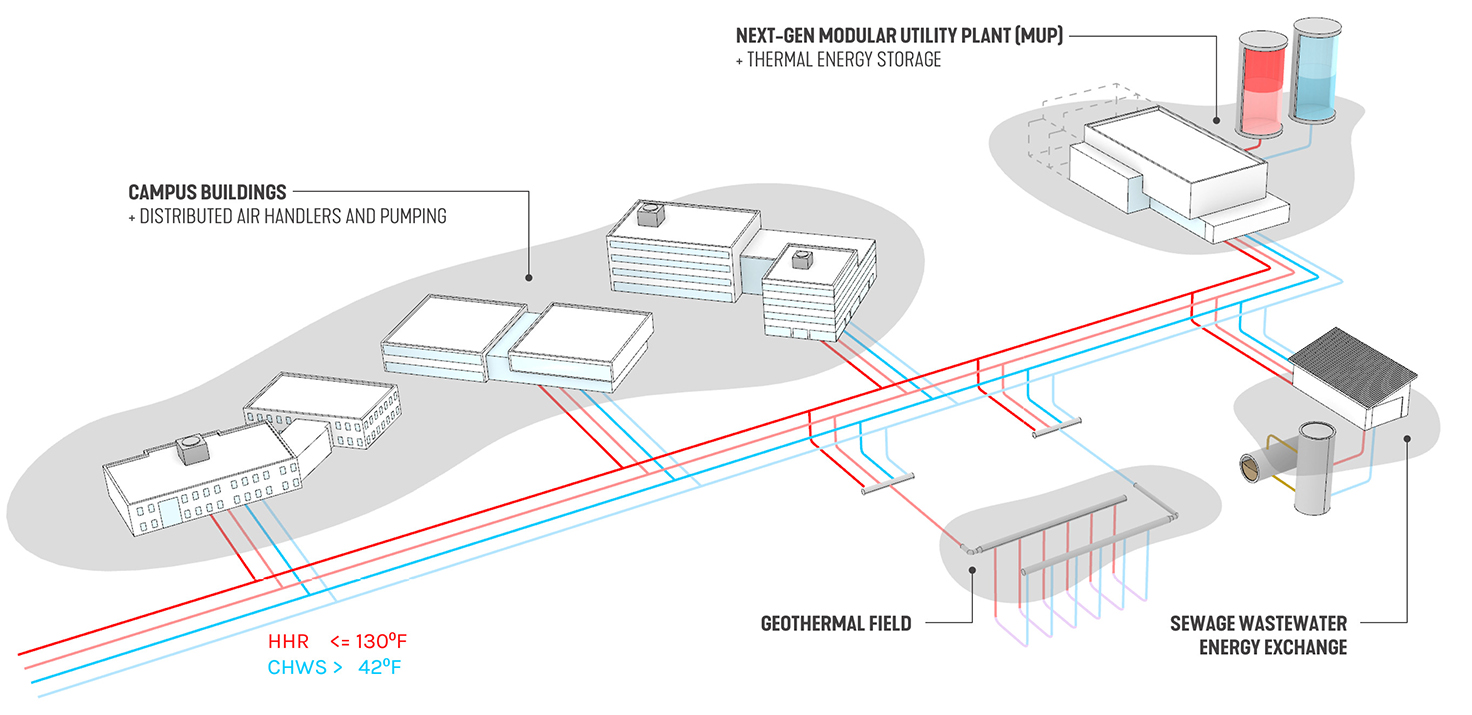
The newest of the 10 campuses in the University of California system, the University of California, Merced is a public land-grant research university serving nearly 9,000 students in the largely agricultural San Joaquin Valley. It originally contacted SmithGroup to develop a campus utility infrastructure plan that would address the university’s goal to significantly increase enrollment by 2030 with no additional carbon emissions as it grew. Given the region’s heightened vulnerability to climate change, the effort quickly evolved to include a decarbonization plan for the existing campus grounded in equity and social justice.
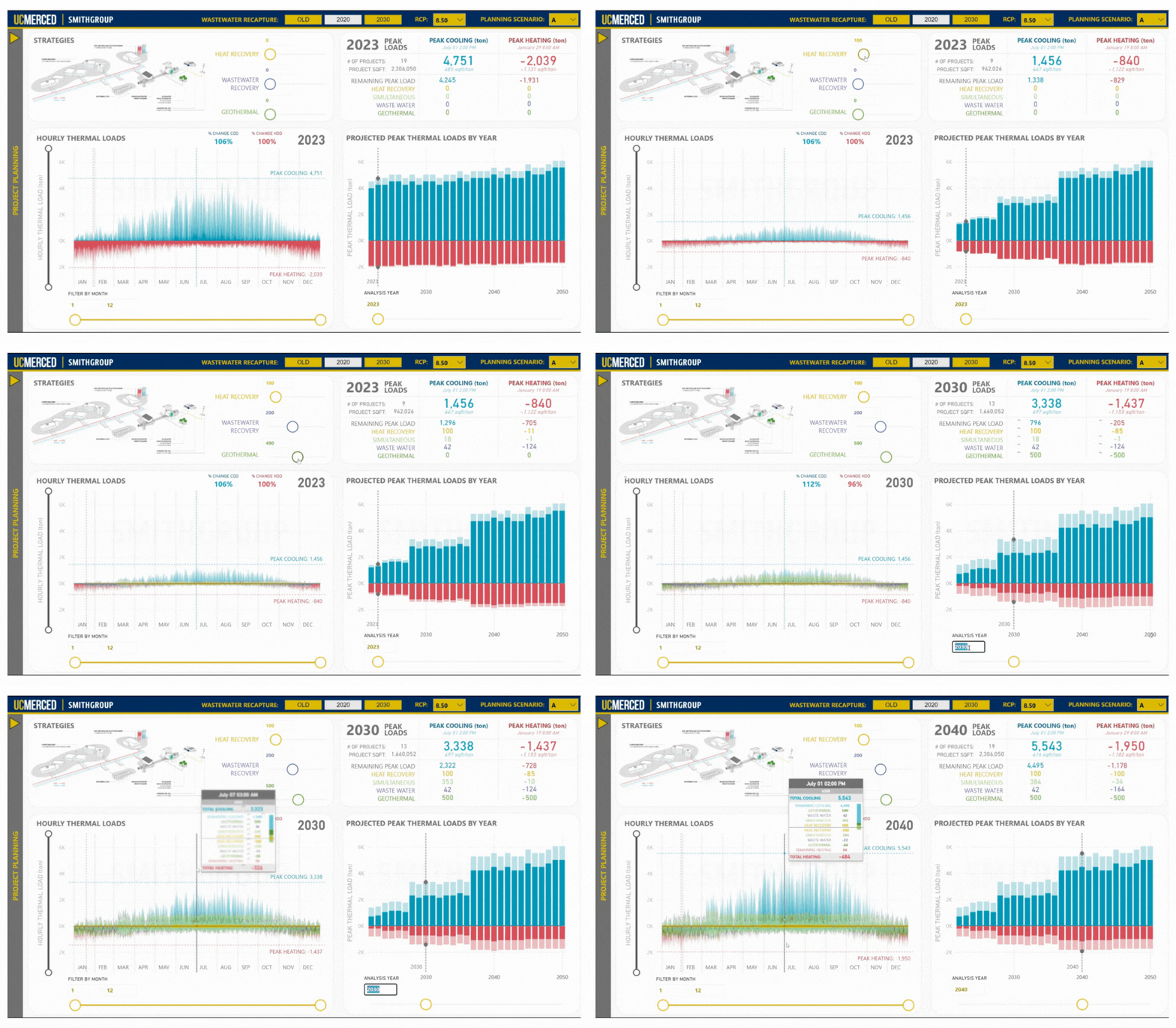
UC Merced’s Equitable Decarbonization Master Plan provide a comprehensive strategy for how the university can plan for zero emissions increases as they grow and begin decarbonizing their existing campus immediately. An enormous volume of data documenting past and projected energy use contributed to the reports, synthesized into an interactive analytics dashboard that allowed the client to explore infrastructure alternatives and obtain immediate feedback on the energy implications of the different alternatives. It became an invaluable tool to guide the university toward infrastructure improvements and additions that would deliver the most value for its investment in terms of providing the greatest benefit to those in need and having the greatest impact on climate action.
The infrastructure plan began with thorough review of UC Merced’s thermal, electrical and water systems. The team then developed detailed modeling and load projections for dozens of campus infrastructure configurations, compiling this wealth of data into the analytics dashboard. At a three-day charette, campus and community leaders examined the various configurations, using the dashboard to see in real time the impacts of different expansions and phasing on hourly load profiles, projected peak annual loads through 2050, central plant sizing, carbon emissions and numerous other metrics. It proved an engaging way for the client to efficiently assess a large volume of data and make informed decisions on the strategies that would best serve the university’s zero-carbon goals. By the conclusion of the three-day charette, the client had reviewed hundreds of scenarios and emerged with a singular, clear direction.
Along with the utility infrastructure plan that addresses future campus growth and long-term decarbonization, the team concurrently began working with UC Merced on a decarbonization plan for its existing campus. Because UC Merced is located in one of California’s most environmentally and economically challenged regions, investing in decarbonization here can have an especially meaningful impact on reducing pollution, supporting economic development and benefitting a population disproportionately impacted by climate change.
The decarbonization plan grew to include a risk assessment for campus-wide power outages, which led to a design for a campus microgrid and auxiliary power delivery. The UC Merced projects illustrate how fully integrated data analytics platforms, tools and team expertise can be shared across planning efforts, providing a comprehensive future cast that leads to targeted and impactful climate action solutions.