Designing the Workplace to Strengthen Personal Connection
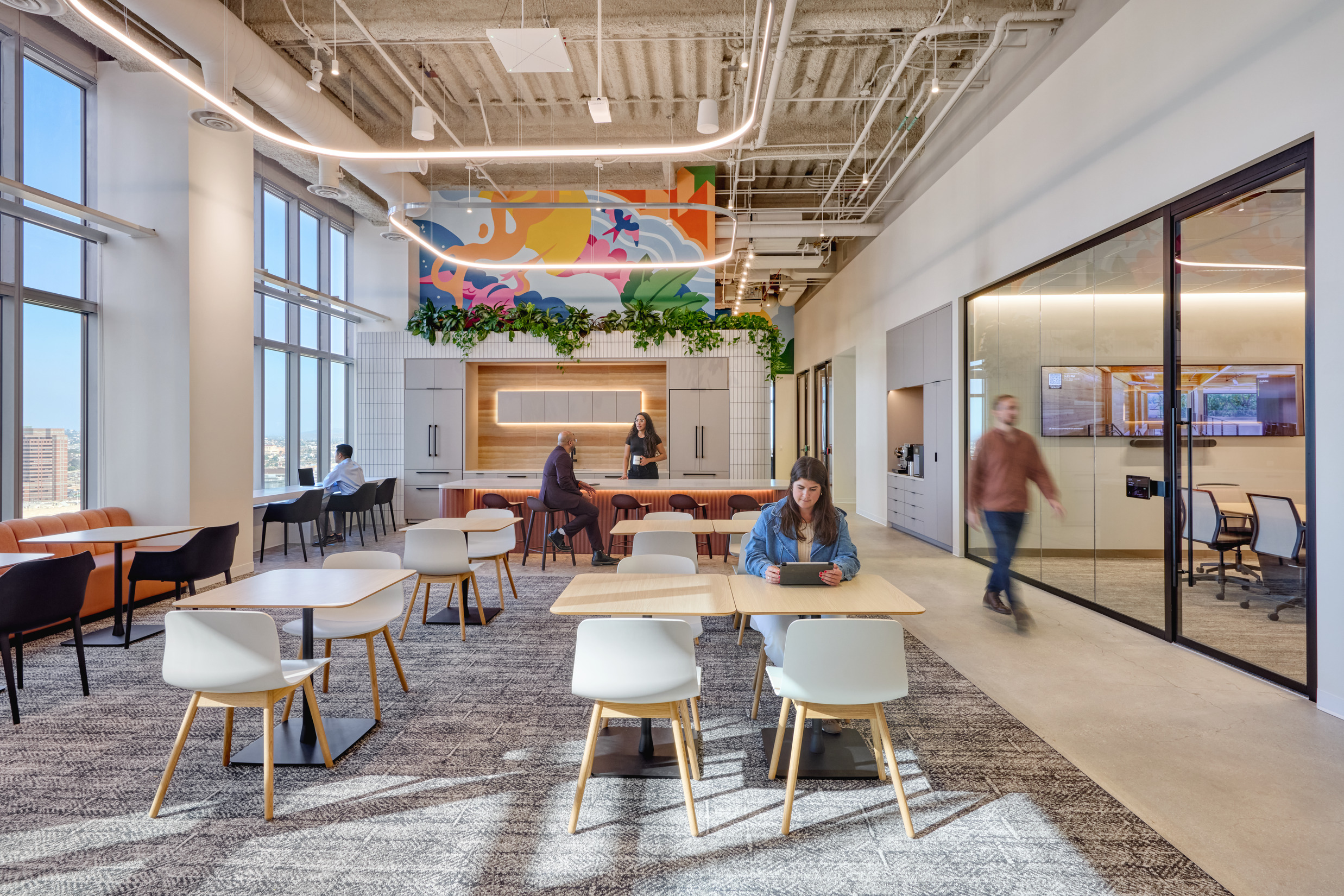
We’re told technology will make our lives better, easier, faster and all around more amazing. But in an era defined by digital connectivity, why are feelings of loneliness and social isolation on the rise? Findings published by the U.S. Surgeon General tell us that one-in-three U.S. adults 18 and over report being online “almost constantly,” while data released by the Pew Research Center cites one-in-six Americans say they feel lonely or isolated from those around them all or most of the time, with one-in-five stating they don’t have any close friends. While we can’t remove technology from our lives, we can do more to create spaces that place the human experience front-and-center and restore social connection.
Overcoming the Digital Divide: The Power of Place
Research shows that physical proximity matters, and in the world of work the most organizations view their offices as more than functional environments for completing tasks. While technology is altering how we work, the Society for Industrial and Organizational Psychology reaffirms the impact of personal, in-person interaction continues to enhance knowledge sharing, mentorship, creativity, performance and well-being — challenging us to reconsider the opportunities the physical workplace can contribute to. Spaces that are welcoming and invite participation are proven to deepen an employee’s engagement, strengthen organizational culture and help relationships thrive. These positive experiences create meaningful social and professional bonds and restore feelings of personal purpose and self-worth within individuals that feel isolated by the digital divide.
The Impact of the Workplace on Human Connection
Most organizations treat connection as something to improve through programs, communication or culture-based initiatives. But the data shows something different: Connection isn’t what happens after the work. It’s what makes the work possible.
Design has a powerful influence on human behavior: People respond to the function of a space as well as the experience it creates. This makes it easy to discern the impact of a transactional space, like a convenience store, in comparison to a place that carries greater meaning, such as a museum or place of worship. When that notion is applied to office design, workspaces can become a catalyst to help strengthen an organization’s culture and cultivate a sense of purpose and, therefore, belonging.
Other important elements to consider when designing a workplace include:
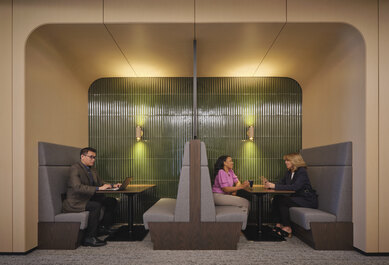
- Creating shared destinations and gathering spaces that encourage shared experiences and rituals to amplify connections.
- Providing a variety of settings that promote feelings of individual ownership and support different modes of work, learning, mentoring, socializing and reflection.
- Allowing for visual connectivity to see and be seen, reinforce awareness of others and create opportunities for engagement.
- Infusing spaces with local culture, defining features and moments of delight and joy to inspire curiosity, create memories and draw people together.
The Role of the Workplace in the Age of AI
As technology reshapes our lives, we must ensure it strengthens — not weakens — human connection,” — Chido Mpemba, Co-chair of the World Health Organization Commission on Social Connection.
As automation and artificial intelligence transform the nature of work, human qualities — such as creativity, curiosity, empathy, collaboration and innovation — will become the ultimate differentiators. This shift presents a significant opportunity for the workplace. Rather than focusing solely on efficiency, productivity and utilization, organizations must invest in and create environments that support the unique human experiences and fuel connection — or, as the 2026 Human Connection Study describes it, “the energy that powers performance”. These places must enable the connection of people and meaning to inspire creativity, encourage discovery, facilitate learning, build trust and unlock the greatest human potential.

"People may be reevaluating what gives their lives meaning, but they haven’t given up on finding that purpose,” said Arthur C. Evans Jr., PhD, CEO of the American Psychological Association. “Even as many feel disillusioned, they’re focusing on what they can control — nurturing their relationships, building financial stability and improving their health. That mix of hope and concern captures where society is today: Anxious, yes, but still striving for fulfillment.”
As we look to create future workplaces built for humans, focusing on creating powerful places and platforms that invite people for connection and celebrate our shared humanity leads to collective success for all parties and society at large.